

MicroData Home page
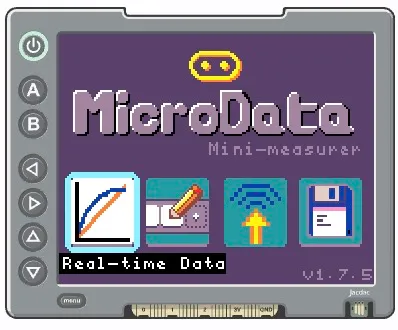
MicroData Home page
MicroData Real-time data view
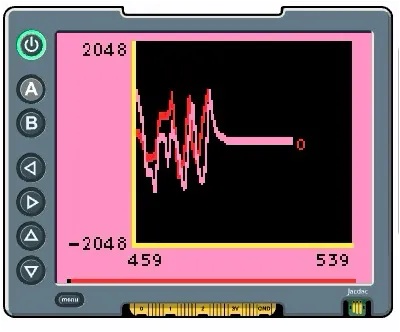
MicroData is a comprehensive data collection and analysis platform designed for the BBC micro:bit v2.
MicroData provides tools for collecting, visualizing, and analyzing sensor data from your micro:bit with:
MicroData makes it easy to collect data using micro:bit and Jacdac sensors, then visualise that data on a display-shield. This means you can conduct experiments and learn data science portably without the need for a conventional computer.
MicroData supports all of the micro:bit’s built-in sensors, plus 5 Jacdac sensors. You can sense up to three sensors at the time, the supported sensors are as follows:
Jacdac sensors expand the sensing capabilities of the micro:bit, allowing you to capture more specialised and accurate data.
We recommend following the MicroData guide to get familiar with MicroData’s features and capabilities. You can do this with a physical micro:bit and display-shield, or try it out in the simulator.
Below you can find a list of experiments you can do with MicroData. We trialed the following experiments in classrooms and found them to be an engaging way to teach physics and data science to secondary school students:
Each experiment covers learning objectives, resources, requirements and questions for the students to answer.